Electrical Technician Training Program in Pennsylvania
- Train for entry-level electrical roles in under a year
- Hands-on training at a trusted Pennsylvania electrical trade school
- Job placement support to help you take the next step
Start Investing In Your Future With BTI Today
"*" indicates required fields
Electrical Technician Training Program Details
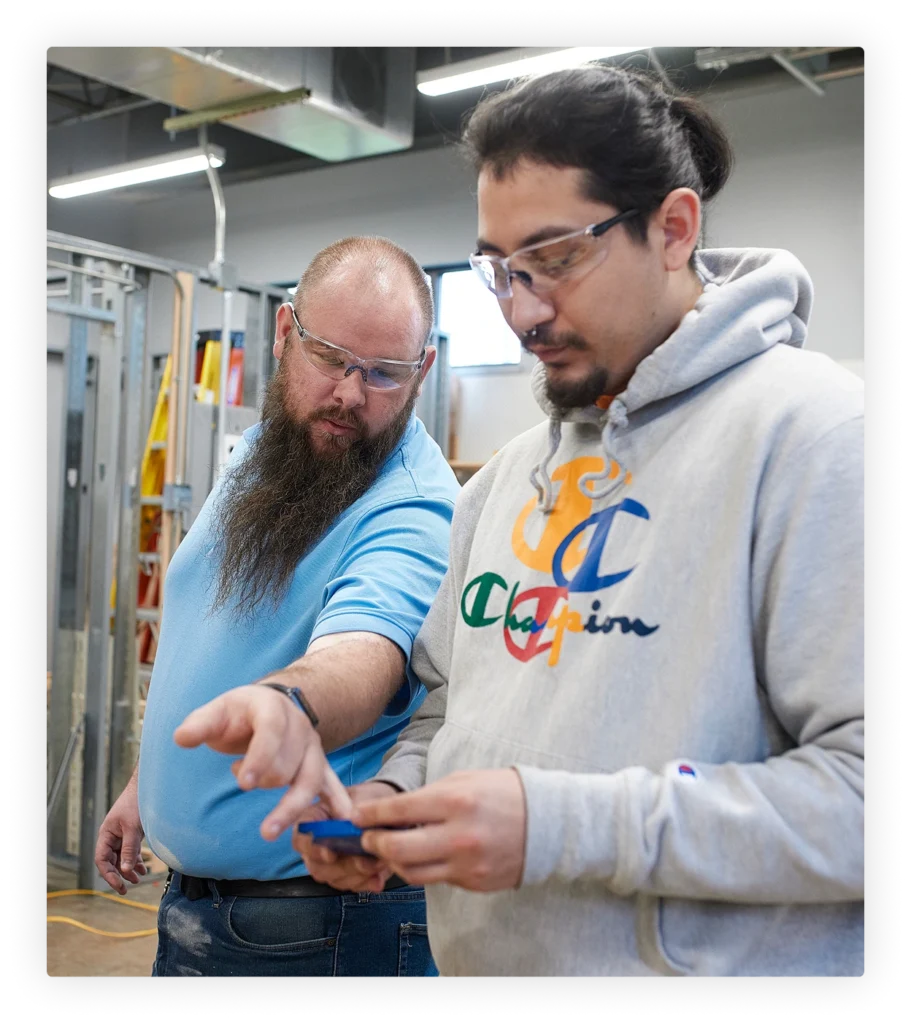
Berks Technical Institute’s Electrical program helps prepare students for entry-level positions in the residential and commercial electrical field. BTI combines classroom instruction with hands-on training so you can understand what electrical work actually looks like on the job.
With rolling enrollment and a program that can be completed in as little as 10 months, this training is designed for students who want a faster, more practical path into the workforce.
By the end of the program, students should be prepared to work as electrical technicians supporting the troubleshooting, servicing, and repair of residential and commercial electrical systems meeting NCCER standards.*
Electrical Technician Diploma Program
- 50 Credit Hours
- Can be completed in as little as 10 months
- Offered at BTI campuses in Allentown and Wyomissing, Pennsylvania
*BTI does not guarantee third-party certifications. Certification requirements for taking and passing certification examinations are not controlled by BTI but by outside agencies and are subject to change by the agencies without notice to BTI. Therefore, BTI cannot guarantee that graduates will be eligible to take certification examinations, regardless of their eligibility status upon enrollment.

Is BTI’s Electrical Technician Program Right for You?
Choosing a career program is a serious decision—especially if you’re changing careers or investing your own money. This comparison helps set clear expectations before you enroll.
This Program Is a
Good Fit If You…
- Want to start working in the electrical field quickly
- Prefer hands-on learning over long lectures
- Are interested in entry-level electrical or service technician roles
- Want structured training before entering the field
- Expect to work under licensed electricians
This Program May Not Be the
Best Fit If You…
- Want to become a licensed electrician immediately
- Are looking for a four-year degree
- Are seeking master electrician licensure
- Already have extensive electrical experience
- Expect to work independently right after graduation
Core Skills Taught in BTI’s Electrical Training Program
Learn essential safety procedures, industry regulations, and electrical theory to work safely with wiring and circuits.
Gain hands-on experience with electrical circuits, controls, and motors.
Learn how to install, ground, troubleshoot, and maintain circuits.
Learn how to calculate electrical loads and implement proper overcurrent protection to prevent hazards.
Practice installing and troubleshooting electrical systems in various settings, including homes and businesses.
Learn to perform medium-voltage terminations and splices, preparing you for electrical work in residential and commercial locations.
What Does an Electrical Service Technician Do?
If you’re considering a career change, it helps to understand what the work actually involves. Below are typical entry-level electrical tasks, so you can decide whether this type of hands-on work fits your strengths and goals.
*BTI cannot guarantee employment or salary.
Preparation Duties
Skills & How They’re Used
- Reading and following the National Electrical Code
Supports code-compliant work under supervision - Determining the required equipment
Helps identify the correct tools, materials, and components needed before work begins - Selecting the necessary electrical method
Helps identify appropriate wiring or installation approaches under supervision - Preparing materials to meet project requirements
Stages and organizes materials before work begins - Maintaining workplace safety and a safe working area
Helps maintain a safe job site
Electrical Duties
Skills & How They’re Used
- Residential wiring and electrical testing
Helps run, connect, and test wiring in residential settings so that systems function properly - Installation, grounding and maintenance
Supports installation and grounding of electrical components and performs basic maintenance tasks - Protect against overcurrent
Helps apply overcurrent protection devices, such as breakers or fuses, to prevent system damage - Installation of electrical circuits
Assists with installing electrical circuits in residential and commercial environments under supervision - Maintenance on health care facilities, fire alarms, HVAC and special locations
Supports maintenance and troubleshooting work in specialized electrical systems and regulated environments
Electrical Technician vs. Licensed Electrician: What’s the Difference?
It’s important to understand the difference between starting in the field and becoming fully licensed. This comparison helps you choose a path that matches your timeline and expectations.

| Category | Electrical Technician (BTI Program) | Licensed Electrician |
|---|---|---|
| Education Path | Trade school electrical training program | Apprenticeship + licensing |
| Time to Start Working | Under 1 year | Multiple years |
| Typical Role | Entry-level support and service tasks | Independent electrical work |
| Licensing Required | No | Yes |
| Supervision | Works under licensed electricians | Works independently |
Career Pathways
Graduates typically begin in entry-level roles and build experience over time. Advancement depends on additional training, certifications, and supervised work experience.
Starting Role After Graduation and Where This Role Can Lead Over Time*
- Electrical Service Technician
Electrician Apprentice - Electrical Helper
Journeyman Electrician - Maintenance Technician
Specialized Electrical Technician - Facilities Maintenance Worker
Electrical Supervisor or Foreman
*BTI cannot guarantee employment or salary.
Electrical Technician Program FAQs
No. This program prepares students for entry-level electrical technician and service technician roles. Licensing typically requires additional supervised work experience beyond trade school training.
Graduates commonly pursue entry-level roles such as electrical service technician, electrical helper, or maintenance technician, working under licensed electricians.
Yes. This program is designed for adult learners who want hands-on training and a faster path into the workforce without committing to a multi-year degree.
No. The program teaches foundational skills from the ground up.
Many students do. Scheduling options vary by campus, and admissions can help discuss realistic expectations.
BTI offers career services support, including job search preparation. Employment is not guaranteed.*
This Program is Available At
Allentown

2200 N Irving Street, Allentown, PA 18109


Industries: Healthcare, Information Technology, Skilled Trades
Wyomissing
2205 Ridgewood Road Suite 100 Wyomissing, PA 19610
Industries: Healthcare, Information Technology, Skilled Trades
Ready to Start Your Electrical Career Path?
If you’re looking for a hands-on electrical program in Pennsylvania that prepares you for entry-level work, Berks Technical Institute can help you take the first step. Learn more about the Electrical program or schedule a campus tour today.